
That's why you should always only charge your electric car up to 80 percent
00:00
00:00

When charging electric cars, it's recommended not to exceed 80 percent of charge. This protects the battery and is said to have other benefits. We'll explain everything you need to know.
Electric cars are considered a significant contribution to the energy transition in road transport. If you drive an electric car yourself or are thinking about buying one, you may have already come across the advice that you should only ever charge an electric car to 80 percent . We'll explain what this guideline means and what else you need to consider to extend the battery's lifespan.
Battery longevity
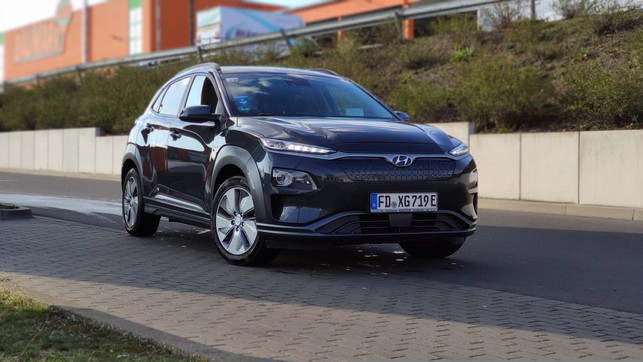
According to the energy supplier Polarstern , the recommendation to only charge an electric car to 80 percent is based primarily on the fact that this charge level protects the electric car's battery .
- The range from 20 to 80 percent is considered the most gentle range when charging electric cars.
- Some batteries age faster if you always charge them fully.
- If you always charge such electric car batteries to 100 percent, they can wear out faster.
Note: You shouldn't run your electric car's battery down to the last percent either. Lithium-ion batteries, in particular, don't tolerate deep discharge well. Regularly running the car completely empty can cause permanent damage to the battery.
Loading speed
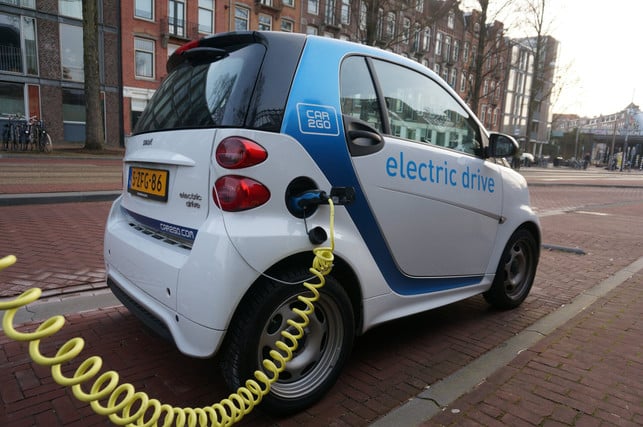
Not charging the electric car completely not only protects the battery, but is also a good recommendation for everyday use due to time constraints:
- Charging your electric car's battery fully takes relatively longer than charging it to just 80 percent.
- From 80 percent onwards, the car charges significantly more slowly because the charging process is then slowed down to protect the battery.
- Getting from 80 to 100 percent often takes just as long as charging from 10 to 80 percent.
- The remaining 20 percent therefore costs more time and money than a charge up to 80 percent.
Space for recuperation
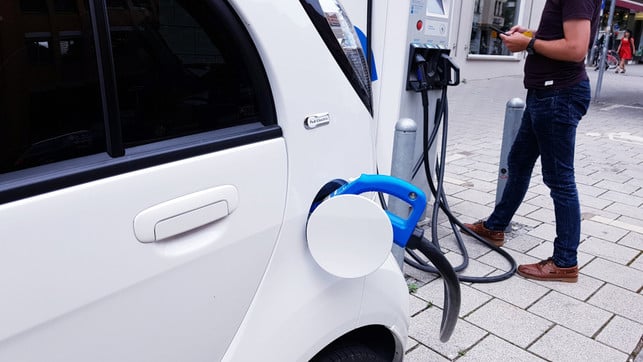
Not fully charging the battery also offers advantages for the interaction between the battery and the braking system, the so-called recuperation :
- When braking or coasting, an electric car converts the kinetic energy back into electrical energy and feeds it back into the battery.
- But this only works if there is still “space” in the battery for this additional energy.
- If the battery is already 100 percent charged, recuperation is disabled or significantly reduced. This wastes energy that could otherwise increase your range .
These cases are exempt from the 80 percent recommendation
However, in some exceptional cases the 80 percent recommendation does not apply:
- Longer journey: If you are driving a longer distance and charging options are limited along the way, you should fully charge the battery beforehand.
- Subzero temperatures: In extremely cold weather, many manufacturers recommend fully charging the battery. This way, you can avoid problems when commuting in subzero temperatures, for example.
- Software updates: Some manufacturers recommend having a fully charged battery before installing software updates or servicing your electric car. In these cases, you should fully charge the battery beforehand to avoid problems.
Note: Once your car is 100 percent charged, you should use the power again as soon as possible to protect the battery.

Posting Komentar